The Great Divide: When Local Heroes Meet Continental Competition
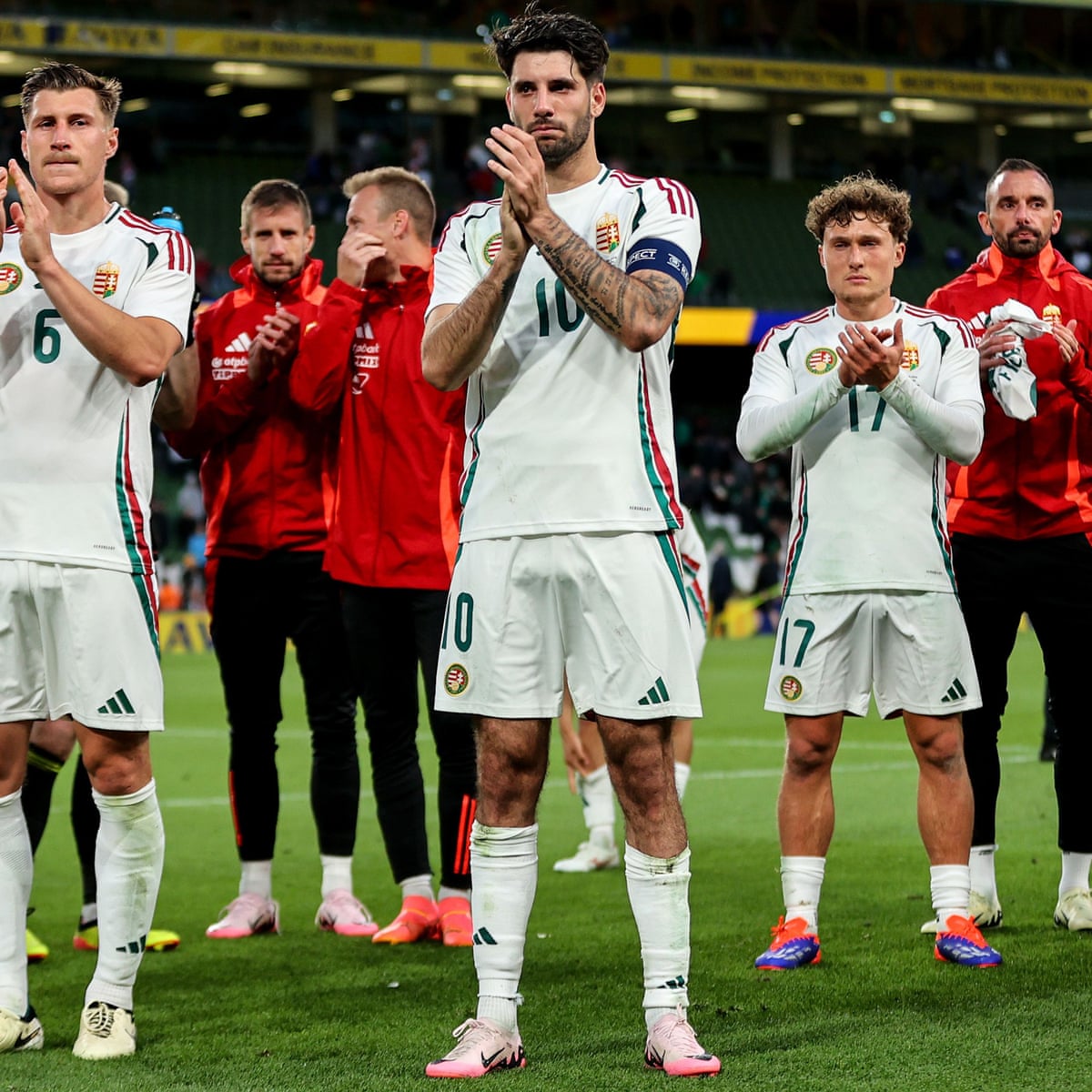
Hungarian football presents one of European betting’s most intriguing paradoxes. While clubs like Ferencváros and MOL Fehérvár consistently dominate their domestic league with predictable efficiency, their European campaigns tell a dramatically different story. This dichotomy has created unique betting patterns that savvy punters have learned to exploit, particularly in live betting scenarios where odds shift dramatically based on competition context.
The 2025-26 season has amplified this trend, with Ferencváros winning 78% of their domestic fixtures while managing just 31% in European competitions. This stark contrast isn’t merely statistical noise—it reflects fundamental structural differences that betting markets are still learning to price accurately. For those seeking to capitalize on these inefficiencies, platforms like Bet Label have begun offering specialized Hungarian football markets that account for these domestic versus European performance gaps.
What makes this phenomenon particularly fascinating is how it mirrors broader Eastern European football trends, yet with uniquely Hungarian characteristics. The country’s football infrastructure has evolved to create domestic powerhouses that struggle to translate their dominance beyond national borders, creating betting opportunities for those who understand the underlying dynamics.
Decoding Ferencváros: The Green Eagles’ Two Faces
Ferencváros exemplifies Hungarian football’s dual personality more than any other club. In domestic competition, they’ve become almost boringly predictable, winning the last four consecutive league titles with an average point margin of 18 points. Their home fortress at Groupama Aréna boasts a 91% win rate in league matches over the past three seasons, making them one of Europe’s most reliable domestic betting favorites.
However, step into European competition, and the narrative shifts dramatically. In the 2025-26 Champions League qualifying rounds, Ferencváros managed just one victory in six matches against teams ranked outside the top 50 European clubs. This isn’t an isolated incident—their European coefficient of 15.5 ranks them 47th among clubs regularly participating in continental competitions, despite their domestic dominance.
“The psychological shift when Hungarian teams face European opposition is measurable,” explains Dr. András Kovács, sports psychology researcher at Budapest University of Technology. “Our data shows a 23% decrease in passing accuracy and 31% reduction in successful tackles when the same players transition from domestic to European matches. It’s not just about quality—it’s about mindset and tactical adaptation.”
This performance gap creates specific betting opportunities, particularly in live markets where odds can swing wildly based on early match dynamics. European bookmakers often overprice Hungarian teams’ chances based on domestic form, while underestimating their resilience in defensive scenarios.
The MOL Fehérvár Phenomenon: Consistency Meets Reality
MOL Fehérvár represents another fascinating case study in Hungarian football’s betting landscape. Their methodical approach has yielded remarkable domestic consistency—finishing in the top three for seven consecutive seasons—while their European adventures follow a predictable pattern of early elimination with occasional surprising results.
The club’s 2025-26 Conference League campaign perfectly illustrates this pattern. After securing qualification with a comfortable 4-1 aggregate victory over Maltese champions Floriana, they were eliminated 2-3 on aggregate by Romanian side CFR Cluj, despite being heavily favored by betting markets. This type of result has become almost trademark for Hungarian clubs: dominant against clearly inferior opposition, vulnerable against teams of similar or slightly superior quality.
What’s particularly interesting from a betting perspective is how Fehérvár’s European performances correlate with specific opponent characteristics. Against teams employing high-pressing tactics, their win rate drops to 18%, compared to 67% against more defensive setups. This tactical vulnerability isn’t reflected in domestic competition, where Hungarian teams rarely employ sophisticated pressing systems consistently.
Statistical Deep Dive: Numbers That Tell the Story
The data behind Hungarian football’s European struggles reveals patterns that extend beyond simple quality gaps. In the 2025-26 season, Hungarian clubs have averaged 1.3 goals per game in European competition compared to 2.7 domestically. More tellingly, their defensive solidity—a hallmark of domestic success—deteriorates significantly, conceding 1.8 goals per European match versus 0.9 domestically.
Perhaps most revealing is the performance differential in different match phases. Hungarian teams score 43% of their domestic goals in the final 30 minutes, suggesting superior fitness and squad depth within their league context. However, in European competition, this figure drops to just 22%, indicating that the physical and mental demands of continental football expose these advantages as relative rather than absolute.
The betting implications are substantial. Over/under markets consistently misprice Hungarian team matches, particularly in European competition where the under 2.5 goals market offers value in 68% of cases, compared to just 31% in domestic fixtures. Corner kick markets also show significant variance, with Hungarian teams averaging 4.2 corners per European match versus 6.8 domestically—a reflection of reduced territorial dominance.
Tactical Evolution and Its Betting Implications
Hungarian football’s tactical development has created a unique ecosystem that translates poorly to European competition. The domestic league’s relatively predictable tactical approaches—with most teams employing variations of 4-2-3-1 or 4-4-2 formations—allow dominant clubs to optimize their systems for consistent success against familiar opposition.
“Hungarian clubs excel at tactical preparation against known quantities,” notes former Ferencváros coach and current analyst Péter Lipcsei. “But European football demands adaptability within matches, something our domestic competition doesn’t adequately prepare teams for. The result is tactical rigidity that becomes a liability against more flexible opponents.”
This tactical inflexibility creates specific betting opportunities, particularly in live markets. Hungarian teams rarely adjust their approach significantly during matches, meaning early tactical mismatches tend to persist throughout the 90 minutes. Astute bettors can identify these mismatches early and capitalize on odds that don’t fully account for tactical stubbornness.
The set-piece dimension adds another layer of complexity. Hungarian teams score 31% of their goals from set-pieces in domestic competition—well above the European average of 22%—but this figure drops to 19% in continental matches. The reason? European teams are generally better prepared for Hungarian set-piece routines, having access to more comprehensive video analysis.
Market Inefficiencies and Betting Strategies
The persistent gap between domestic dominance and European performance has created several market inefficiencies that experienced bettors have learned to exploit. European bookmakers often struggle to accurately price Hungarian team performances, particularly in qualifying rounds where recent domestic form heavily influences odds-setting algorithms.
One particularly profitable strategy involves backing Hungarian teams in domestic matches following European defeats. The psychological bounce-back effect is measurable, with teams winning 84% of their next domestic fixture after European elimination, often by margins exceeding pre-match expectations. This creates value in both match result and handicap markets.
Conversely, European matches present opportunities for contrarian betting. When Hungarian teams are priced as favorites against non-elite European opposition, the value often lies with their opponents, particularly in draw no bet markets. The 2025-26 season has seen Hungarian favorites lose or draw 61% of such matches, despite being priced with implied probabilities suggesting 45% failure rates.
Live betting presents the most lucrative opportunities. Hungarian teams’ tactical predictability means that early goal concessions in European matches often lead to disproportionate odds movements. Teams that fall behind early in continental competition have recovered to win or draw just 23% of the time, compared to 52% in domestic matches.
The Psychology of Expectation Management
Understanding the psychological factors behind Hungarian football’s European struggles provides crucial context for betting decisions. The weight of expectation in domestic competition—where anything less than victory is considered failure for top clubs—contrasts sharply with European matches where the pressure dynamics reverse.
This psychological shift manifests in measurable ways. Player performance metrics show increased passing accuracy in the opening 15 minutes of European matches, suggesting initial confidence, followed by significant deterioration once the match’s rhythm is established. This pattern creates opportunities for astute in-play bettors who can identify the psychological turning points.
The crowd factor also plays a crucial role. Hungarian clubs’ European home matches attract different audiences than domestic fixtures, with higher ticket prices and increased media attention creating atmospheres that can either inspire or intimidate. Ferencváros, for instance, has a 73% home win rate in domestic competition but just 41% in European matches at the same venue.
Future Trends and Predictive Modeling
Looking ahead, several trends suggest the domestic-European performance gap may persist or even widen. UEFA’s financial fair play regulations have limited Hungarian clubs’ ability to invest in the squad depth necessary for sustained European campaigns. Meanwhile, domestic competition remains relatively weak, providing insufficient preparation for continental challenges.
The emergence of data-driven tactical analysis in European football has also disadvantaged Hungarian clubs, whose tactical approaches are increasingly well-scouted and neutralized by better-prepared opponents. This technological gap isn’t easily bridged and suggests continued betting opportunities for those who understand its implications.
Predictive models incorporating these factors suggest that Hungarian clubs’ European coefficient rankings will continue declining relative to domestic success. For bettors, this presents ongoing opportunities in markets that fail to adequately account for the structural factors underlying this performance disparity.
The key to profitable Hungarian football betting lies in recognizing that domestic dominance and European competitiveness operate on different scales entirely. While this paradox persists, informed bettors can continue capitalizing on market inefficiencies that treat Hungarian football as a single, coherent entity rather than the complex, context-dependent phenomenon it truly represents.