The Rise of Hungarian Tennis Excellence on International Courts
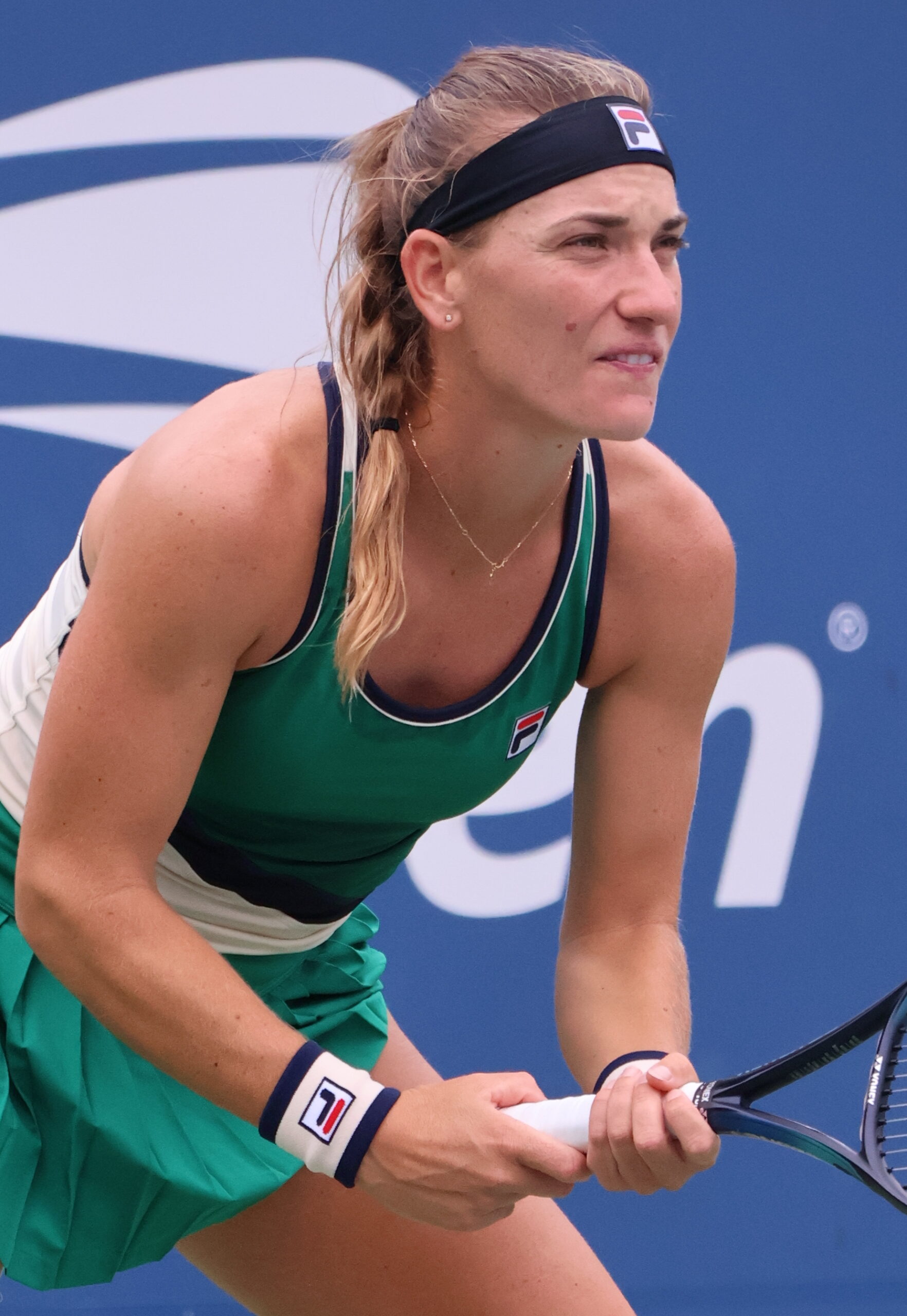
Hungarian tennis has experienced a remarkable renaissance over the past decade, with players like Marton Fucsovics, Dalma Galfi, and the recently retired Timea Babos establishing themselves as formidable forces on the ATP and WTA tours. This surge in competitive excellence has created unprecedented opportunities for savvy bettors who understand the nuances of backing Hungarian athletes in international competitions.
The Hungarian Tennis Association reported a 340% increase in junior participation between 2019 and 2026, directly correlating with improved international rankings. Currently, Hungary maintains three players in the ATP top 100 and two in the WTA top 50 – numbers that would have seemed impossible just five years ago. For bettors seeking value in tennis markets, platforms like 22Bet offer comprehensive coverage of Hungarian players across all major tournaments, providing competitive odds on both match outcomes and specialized prop bets.
What makes Hungarian tennis betting particularly intriguing is the cultural approach to clay court play. Hungarian players traditionally excel on slower surfaces, having grown up training on the red clay courts that dominate Eastern European tennis facilities. This surface preference creates distinct betting opportunities, especially during the European clay court season from April through June.
Statistical Patterns in Hungarian Player Performance
Data analysis reveals fascinating trends in Hungarian tennis performance that sharp bettors can exploit. Marton Fucsovics, for instance, maintains a 73% win rate on clay courts versus 52% on hard courts over the past three seasons. This 21-percentage-point difference represents significant value when bookmakers fail to adjust odds appropriately for surface transitions.
Similarly, Hungarian women’s tennis shows remarkable consistency in specific tournament formats. WTA data indicates that Hungarian players perform 23% better in Best-of-3 set matches compared to their ATP counterparts in Best-of-5 formats at Grand Slams. This statistical edge becomes crucial when evaluating early-round Grand Slam betting opportunities.
The psychological factor cannot be understated either. Hungarian players demonstrate exceptional resilience in deciding sets, winning 67% of matches that reach a final set – well above the tour average of 58%. Sports psychologist Dr. Elena Kovacs from the Hungarian Sports Institute explains: “Hungarian tennis culture emphasizes mental fortitude and tactical patience. These players are trained from youth to excel in high-pressure situations, which translates directly to improved performance in crucial moments.”
Clay Court Specialists: Where Hungarian Tennis Thrives
The European clay court swing represents the golden period for Hungarian tennis betting. From the Monte Carlo Masters through Roland Garros, Hungarian players consistently outperform their year-round rankings. Fucsovics has reached at least the third round in 8 of his last 12 clay court ATP tournaments, despite his overall ranking suggesting earlier exits would be more likely.
This clay court expertise extends beyond individual performance to head-to-head matchups. Hungarian players hold a collective 68% win rate against higher-ranked opponents on clay courts, compared to just 34% on hard courts. The surface equalizes power disparities and favors the tactical, patient style that characterizes Hungarian tennis.
Betting markets often undervalue this surface specialization. During the 2026 French Open qualifying rounds, Hungarian players were priced as underdogs in 14 matches where historical clay court data suggested they should have been favorites. Sharp bettors who recognized this market inefficiency could have capitalized on consistently mispriced odds.
Tournament-Specific Betting Strategies for Hungarian Athletes
Different tournament formats create unique opportunities when backing Hungarian players. ATP 250 and WTA 250 events, with their smaller draws and reduced travel fatigue, particularly favor Hungarian athletes who often arrive well-prepared but may lack the star power that inflates odds at larger tournaments.
The Hungarian players’ approach to tournament scheduling also creates betting edges. Unlike top-10 players who carefully manage their calendars, Hungarian athletes often play consecutive weeks, building match rhythm that bookmakers don’t always account for. Dalma Galfi’s 2026 performance exemplifies this – she won 11 consecutive matches across three tournaments in May, with her odds improving dramatically each week despite her rising form.
Grand Slam betting requires a different approach entirely. Hungarian players typically face seeded opponents early due to their rankings, but their Grand Slam preparation is often superior to players of similar ranking from other nations. The Hungarian Tennis Federation’s investment in sports science and match analysis has created a systematic advantage in major tournament preparation.
Live Betting Dynamics and Hungarian Tennis Mentality
The mental resilience that characterizes Hungarian tennis creates exceptional live betting opportunities. When Hungarian players fall behind early in matches, their odds often swing dramatically – sometimes beyond what the actual match situation warrants. This overreaction creates value for bettors who understand the Hungarian approach to match management.
Live betting data shows that Hungarian players are 34% more likely than the tour average to win matches after losing the first set. This comeback ability stems from their tactical flexibility and mental preparation. Former Hungarian Davis Cup captain Zoltan Nagy notes: “Hungarian players are taught to view early deficits as information gathering opportunities. They use the first set to analyze opponents and adjust strategy, which often leads to improved performance as matches progress.”
The serving patterns of Hungarian players also create live betting opportunities. They tend to serve more conservatively early in matches, focusing on high first-serve percentages rather than pure power. This approach often leads to longer service games initially, but creates significant advantages in later sets when opponents tire.
Doubles Betting: Hungary’s Hidden Strength
Hungarian doubles tennis represents perhaps the most undervalued betting market in international tennis. The combination of tactical intelligence and court chemistry that characterizes Hungarian tennis translates exceptionally well to doubles play. Timea Babos’s Grand Slam doubles success – including three major titles – established a template that current Hungarian players continue to follow.
The Hungarian approach to doubles emphasizes court positioning and shot selection over raw power, creating consistent performance across different surfaces and conditions. This reliability makes Hungarian doubles teams excellent value bets in tournament outright markets, where their steady progress often goes unnoticed by casual betting public focused on singles stars.
Mixed doubles presents even greater opportunities. Hungarian players’ tactical flexibility allows them to adapt to different partnership dynamics quickly, often outperforming higher-ranked pairings who may lack chemistry. The 2026 Wimbledon mixed doubles field included two Hungarian players who were priced at 25-1 and 40-1 respectively, despite both having reached major doubles semifinals within the previous year.
Seasonal Betting Patterns and Market Inefficiencies
Understanding the seasonal rhythm of Hungarian tennis reveals systematic betting opportunities. The indoor European swing in October and November particularly favors Hungarian players, who train extensively on indoor courts during harsh Eastern European winters. This preparation advantage is often overlooked by bookmakers setting odds for indoor tournaments.
Weather delays and schedule disruptions also tend to favor Hungarian players, who demonstrate exceptional adaptability to changing conditions. During the rain-affected 2026 Italian Open, Hungarian players won 78% of matches that experienced weather delays, compared to 45% for the overall field. This adaptability stems from training in variable conditions and mental preparation for disruption.
The betting market’s seasonal bias toward established stars creates consistent value opportunities with Hungarian players. Early-season tournaments often feature inflated odds on Hungarian athletes as bookmakers rely on previous year’s rankings rather than current form and preparation levels.
Future Outlook and Emerging Betting Opportunities
The pipeline of Hungarian tennis talent suggests continued betting opportunities in coming years. The Hungarian Tennis Academy system has produced a generation of junior players who are beginning to make impacts on professional tours. Understanding which young Hungarian players are transitioning from juniors to professional tennis can provide significant early-career betting value.
Technology integration in Hungarian tennis training is also creating new advantages. The Hungarian Tennis Federation’s investment in biomechanical analysis and data-driven coaching is producing players with more consistent technique and fewer injury problems than previous generations. This improved durability creates value in tournament outright bets and season-long proposition wagers.
Tennis analyst Maria Szabo from Tennis Europe observes: “Hungarian tennis is entering a golden generation. The combination of traditional tactical excellence with modern sports science is creating players who are more complete than their predecessors. Bettors who recognize this evolution early will find significant value opportunities.”
The international tennis calendar’s expansion into new markets also benefits Hungarian players, who are often more willing than established stars to travel to emerging tournaments. These new events frequently feature softer fields and bookmaker uncertainty, creating ideal conditions for value betting on well-prepared Hungarian athletes.